

Understanding the Risks Associated with Smoke from Massive Wildfires and How to Protect Your Health
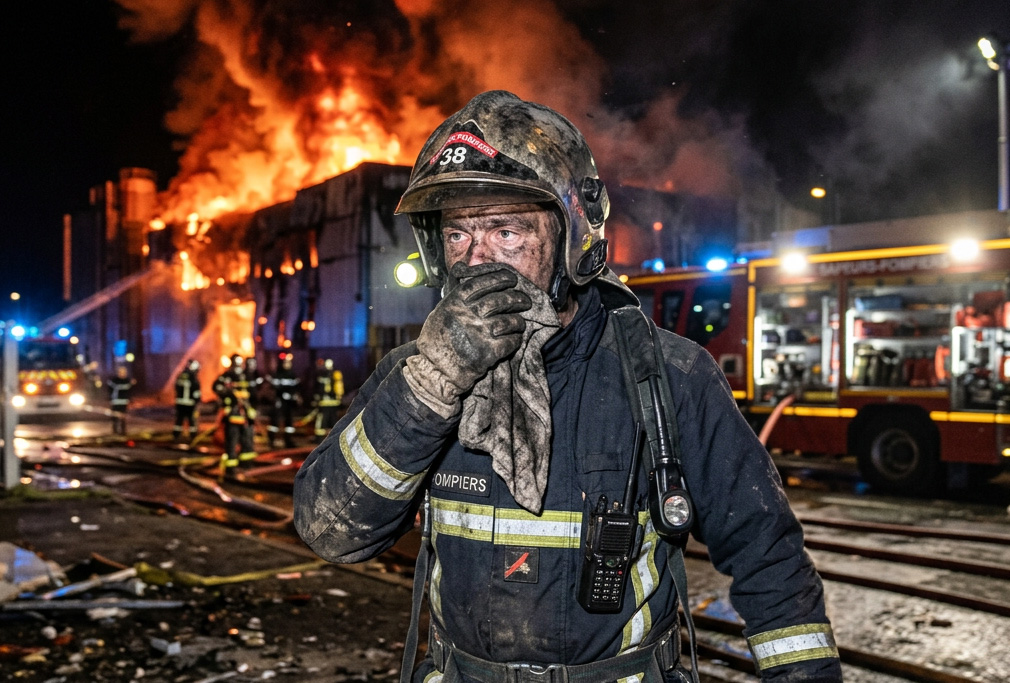
. The summer of 2026 will be remembered for an unprecedented wave of wildfires across several continents. In France, the Southwest and the Mediterranean coast were hit by fires of exceptional magnitude. In Spain, Galicia and Extremadura saw tens of thousands of hectares go up in smoke. In North America, Canada and the American West experienced their share of megafires, with smoke plumes sometimes traveling thousands of kilometers. Beyond the spectacular material and environmental damage, these fires raise a less visible but equally crucial question: what is their impact on our health, including for people who do not live directly in the affected areas?
A cocktail of invisible
pollutants
When a forest burns, it doesn’t just release smoke: it emits a complex mixture of chemicals that can travel very long distances, carried by the wind.
Fine particulate matter (PM2.5 and PM10)
These are the main pollutants emitted by wildfires. These particles, so small that they penetrate deep into the lungs and can even enter the bloodstream, are considered by the World Health Organization to be among the most dangerous air pollutants for human health.
Carbon monoxide (CO)
An
invisible, odorless gas, it reduces the blood’s ability to carry oxygen. At high concentrations, it can cause headaches, dizziness, and even severe poisoning in people directly exposed to the fires.
Volatile Organic Compounds (VOCs)
Benzene, formaldehyde, acrolein… These substances, which are often carcinogenic or irritants, are released during the burning of vegetation and the materials that may be affected by the fire (homes, infrastructure).
Dioxins and polycyclic aromatic hydrocarbons (PAHs)
These compounds, produced in particular during the burning of plastics or in residential areas affected by flames, are of particular concern due to their long-term toxicity and their ability to accumulate in the body.
: When fires affect areas where vegetation, homes, vehicles, or industrial and agricultural infrastructure are intermingled, combustion can release heavy metals such as lead, cadmium, arsenic, or mercury, which are initially present in the soil, paint, building materials, or certain equipment. Once vaporized by the intense heat of the fire, these metals attach themselves to fine particulate matter suspended in the air and can thus be inhaled or deposited on surrounding crops, soil, and water sources. This phenomenon has been documented in particular during wildfires that affected suburban areas in California and Australia, where destroyed homes significantly increased the concentration of metal particles in the smoke. In France and Spain, this contamination is generally more limited, as the fires have mainly ravaged forested and agricultural areas, but it cannot be ruled out in areas close to built-up or industrial zones.
Short- and Long-Term
Health Effects
Immediate
Effects
- Respiratory system: coughing, shortness of breath, respiratory tract irritation, asthma attacks, bronchitis
- Eyes and throat: stinging, redness, dryness
- Cardiovascular system: fine particulate matter increases the risk of arrhythmias and heart problems, even in people with no prior historyFatigue
- and headaches, sometimes linked to prolonged exposure to carbon monoxide, even at low doses
The most vulnerable
populations
Children, pregnant women, the elderly, and those with chronic respiratory or heart conditions (asthma, COPD, heart failure) are most at risk for complications. But recent studies show that even healthy people can experience effects after repeated exposure to smoke, including at a distance from active fires.
Long-Term
Effects
Research conducted following the major Australian wildfires of 2019–2020 and the Canadian wildfires of 2023 has highlighted possible links between chronic exposure to wildfire smoke and:
- increased oxidative stress in the body;
- low-grade systemic inflammation;
- an increased risk of chronic cardiovascular and respiratory diseases;
- potential effects on the immune system
- ;
- an
- d, in areas where significant amounts of heavy metals have been released, a risk of accumulation in the body (particularly in the kidneys and nervous system) in the event of repeated exposure over multiple fire
- seasons
How can you protect yourself on a daily basis?
Limit direct
exposure.
- Monitor air quality indices (available via apps such as Atmo France or IQAir) and avoid strenuous outdoor activities when the index is
- poor
- .
- Keep doors and windows closed during pollution peaks, especially early in the morning and in
- the evening
- .
- Use an air purifier with a HEPA filter indoors, which is particularly effective against fine particulate matter (and thus the heavy metals often bound to them).
- Wear an FFP2 mask (not a simple surgical mask) if you must go outside in a smoky area.
- In areas near burned homes or infrastructure, avoid eating fruits and vegetables from gardens that may have been exposed to ash fallout until a health inspection has been conducted
- .
Adjust your lifestyle
- Stay well-hydrated to help your body eliminate toxins.
- Ventilate wisely: choose times when air quality is best, often in the middle of the day after
- nighttime
- smoke has cleared
- . Avoid intense physical activity outdoors during pollution peaks, which increases the amount of air inhaled and thus the pollutants absorbed
- .
Support your body against oxidative
stress.
To combat inflammation and oxidative stress caused by exposure to smoke, fine particulate matter, and, in some cases, heavy metals, certain nutritional strategies can help support the body’s natural defenses:
- A diet rich in antioxidants: colorful fruits and vegetables (berries, citrus fruits, leafy greens), rich in vitamin C, polyphenols, and carotenoids, which help neutralize free radicals generated by pollution
- ; omega-3s (fatty fish, flaxseeds, walnuts) with recognized anti-inflammatory properties
- ; Cruciferous vegetables (broccoli, kale) that support the body’s natural liver detoxification processes, including those involved in the elimination of certain metals
- ; Adequate hydration, essential for supporting kidney function, which are particularly strained during exposure to heavy metals;
- Rest and quality sleep, which allow the body to better manage inflammation
; Certain natural compounds with powerful antioxidant properties (e.g., astaxanthin), such as those studied for their role in combating oxidative stress induced by UV radiation or urban pollution, are also the subject of growing research regarding their protective potential against fine particulate matter. While it does not replace essential preventive measures or medical monitoring in cases of suspected significant exposure to heavy metals, a holistic lifestyle focused on combating oxidative stress remains a valuable ally during periods of intense air pollution.
The forest fires of the summer of 2026, due to their intensity and geographic scope, serve as a reminder that their health impacts extend far beyond the areas directly affected by the flames. Due to wind patterns, smoke, fine particulate matter, and—depending on the affected areas—certain heavy metals can impact populations located hundreds, or even thousands, of kilometers from the fire sites. Monitoring air quality, adjusting outdoor activities, and supporting the body with a diet rich in antioxidants are all simple steps to limit the impact of these increasingly frequent climate events on our health.