They are a hot topic in discussions about longevity and cellular health. Natural antioxidants derived from microalgae—including astaxanthin—are attracting growing scientific interest for their potential role in cardiovascular protection. But what does recent research really say? And how does this red pigment produced by certain microalgae fit into a serious nutritional approach for heart health?
An organ particularly exposed to oxidative stress
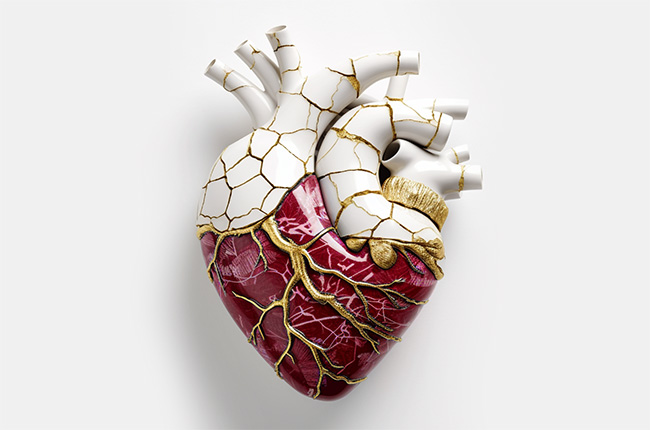
The heart is one of the most demanding organs in the human body. It beats about 100,000 times a day, consumes a considerable amount of oxygen, and constantly produces energy to function. This intense metabolic activity has a direct consequence: the continuous production of free radicals.
As long as the body has sufficient antioxidant resources, this balance is maintained. But when free radical production exceeds the body’s natural defense capabilities—a condition known as oxidative stress—heart cells can suffer the consequences.
Oxidative stress is now recognized as one of the mechanisms involved in many cardiovascular imbalances: low-grade inflammation, endothelial dysfunction, and impaired cellular metabolism. It is precisely in this context that the benefits of astaxanthin are attracting the attention of researchers.
Astaxanthin: a fat-soluble antioxidant derived from microalgae
Astaxanthin is a carotenoid—a natural pigment in the terpenoid family—produced notably by the microalga Haematococcus pluvialis. It is what gives wild salmon, shrimp, and krill their pink-orange color. In nature, this molecule plays a role in protecting cells in organisms exposed to stressful conditions.
Its chemical properties are significant: astaxanthin is fat-soluble, which allows it to integrate directly into cell membranes—the lipid structures that surround each cell. It thus acts at a structural level that many water-soluble antioxidants, such as vitamin C, cannot reach.
⚠️ Astaxanthin does not treat cardiovascular diseases and is in no way a substitute for medical care. Its value lies in its potential role as an antioxidant nutritional supplement, as part of a comprehensive cellular prevention approach.
What a recent clinical study on heart
failure says
In 2025, a randomized clinical trial published in BMC Cardiovascular Disorders provided interesting human data on astaxanthin in a cardiovascular context.
The Protocol
Patients with heart failure received either 20 mg of astaxanthin daily or a placebo for 8 weeks. Researchers measured several biological markers and clinical symptoms at the beginning and end of the study.
The observed results
- At the end of the 8 weeks, the group supplemented with astaxanthin showed:
- An improvement in certain markers of oxidative stress;
- A reduction in serum uric acid—a biological parameter often elevated in contexts of inflammation and heart failure;
- An improvement in symptoms such as fatigue and dyspnea (shortness of breath), two important indicators of quality of life in this population.
Uric acid, inflammation, and the heart: why this link matters
One of the most interesting findings of the study is the reduction in uric acid. This biological marker is often underestimated in public discussions, but it is well documented in the cardiology literature.
Elevated uric acid levels are associated with low-grade systemic inflammation and increased cardiovascular risk in several populations. The fact that astaxanthin helped reduce this marker in the study is consistent with its presumed antioxidant and anti-inflammatory mechanism.
A systematic review confirms the general
benefits
Beyond this specific study, a systematic review published in 2025 analyzed all available human studies on astaxanthin published between 2020 and 2025. The authors conclude that supplementation is associated with beneficial effects on markers of oxidative stress, inflammation, and metabolic regulation, with potential benefits for cardiovascular health, neuroprotection, and oral health.
This review confirms that astaxanthin is not a passing fad, but a compound that is gradually building a solid scientific foundation—even if the evidence remains insufficient for formal clinical recommendations.
Strong Support for Prevention
True cardiovascular prevention isn’t a miracle supplement. It’s a comprehensive and sustainable nutritional strategy: a diet rich in natural antioxidants, stress management, regular physical activity, and appropriate medical monitoring.
In this context, astaxanthin stands out as a promising nutritional support, derived from microalgae, and studied for its role in modulating oxidative stress and cellular inflammation. Recent research—notably the 2025 clinical trial on heart failure—shows that the scientific interest in this carotenoid is very real, with increasingly robust human data.
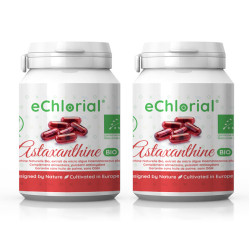
European Organic Astaxanthin